What Brazilian Design Can Teach the World About Originality
Through the work of Estúdio Campana, an alternative vision of design emerges, shaped by experimentation, cultural identity and ordinary materials.
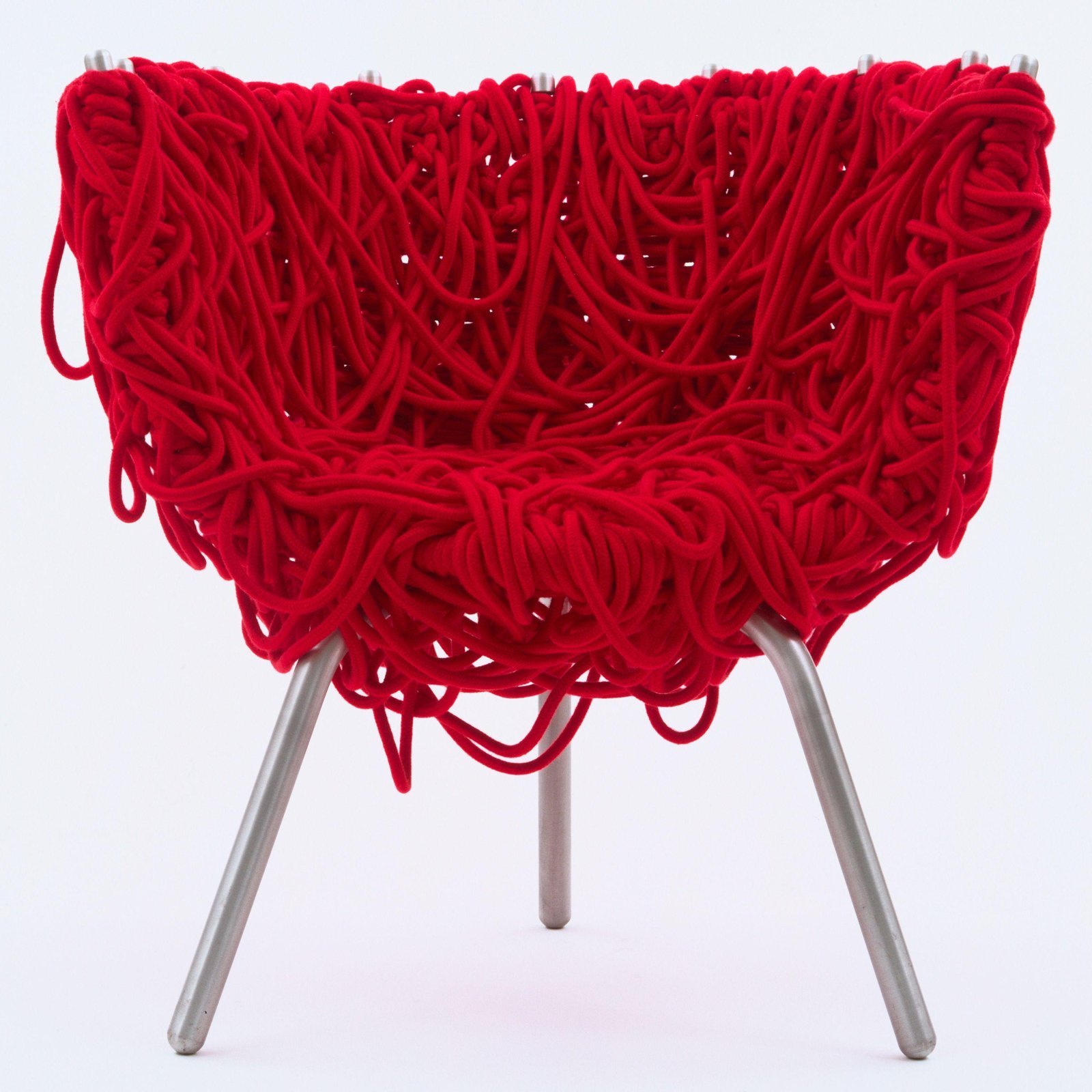
Originality is one of the most frequently celebrated qualities in design. It is also one of the hardest to define.
For decades, the international design industry has looked to established centres of production and taste for its references. Yet some of the most influential creative ideas have emerged from designers willing to challenge those conventions altogether.
Few examples illustrate this more vividly than Estúdio Campana.
Founded in São Paulo in 1984 by brothers Fernando and Humberto Campana, the studio developed a language that challenged conventional distinctions between furniture, sculpture, craft and art.
Rethinking the Value of Materials
One of the most recognisable characteristics of the Campana approach is its treatment of materials.
Objects and substances that might ordinarily be overlooked become central to the creative process. Everyday materials are assembled, layered and transformed into pieces that challenge expectations of what furniture should look like.
This approach questions which materials are considered valuable, which techniques are regarded as sophisticated and where design authority is supposed to come from.
A Brazilian Identity Without a Formula
International discussions of Brazilian design often return to familiar references: modernist architecture, tropical landscapes and the country’s celebrated mid-century furniture tradition.
The Campana brothers introduced another way of thinking about Brazilian creativity, one that embraced contradiction, improvisation and unexpected combinations.
Their work resisted the idea that national identity must be expressed through a predictable set of visual symbols.
The Relationship Between Craft and Contemporary Design
The studio’s work challenges the hierarchy that has often separated craft from design.
Handwork, material experimentation and unconventional construction techniques are not secondary to the creative concept. They are integral to it.
Yet the value of craftsmanship should extend beyond its usefulness as a marketing narrative. The more meaningful question is whether those skills are recognised as sources of creative intelligence.
Originality as a Cultural Advantage
Fernando Campana died in 2022. Today, the Instituto Campana preserves the brothers’ archives and promotes education, research and the continuity of their design legacy, while the studio’s influence remains part of the international design conversation.
For the next generation of Brazilian designers, the lesson is not to imitate the Campana aesthetic. It is to recognise that originality can emerge from a deep engagement with one’s own surroundings, materials and cultural experience.
Brazilian design has never needed to look like European design to earn a place in the international conversation. The Campana story is a reminder that it can help change the conversation itself.
BLACKCARD INTERNATIONAL | A Curated View of Brasil