Ricardo Almeida: How Brazilian Tailoring Is Learning to Move
With more than four decades of history, the Brazilian menswear name is adapting the codes of classic tailoring to a wardrobe shaped by movement, lighter construction and changing ideas of formality.
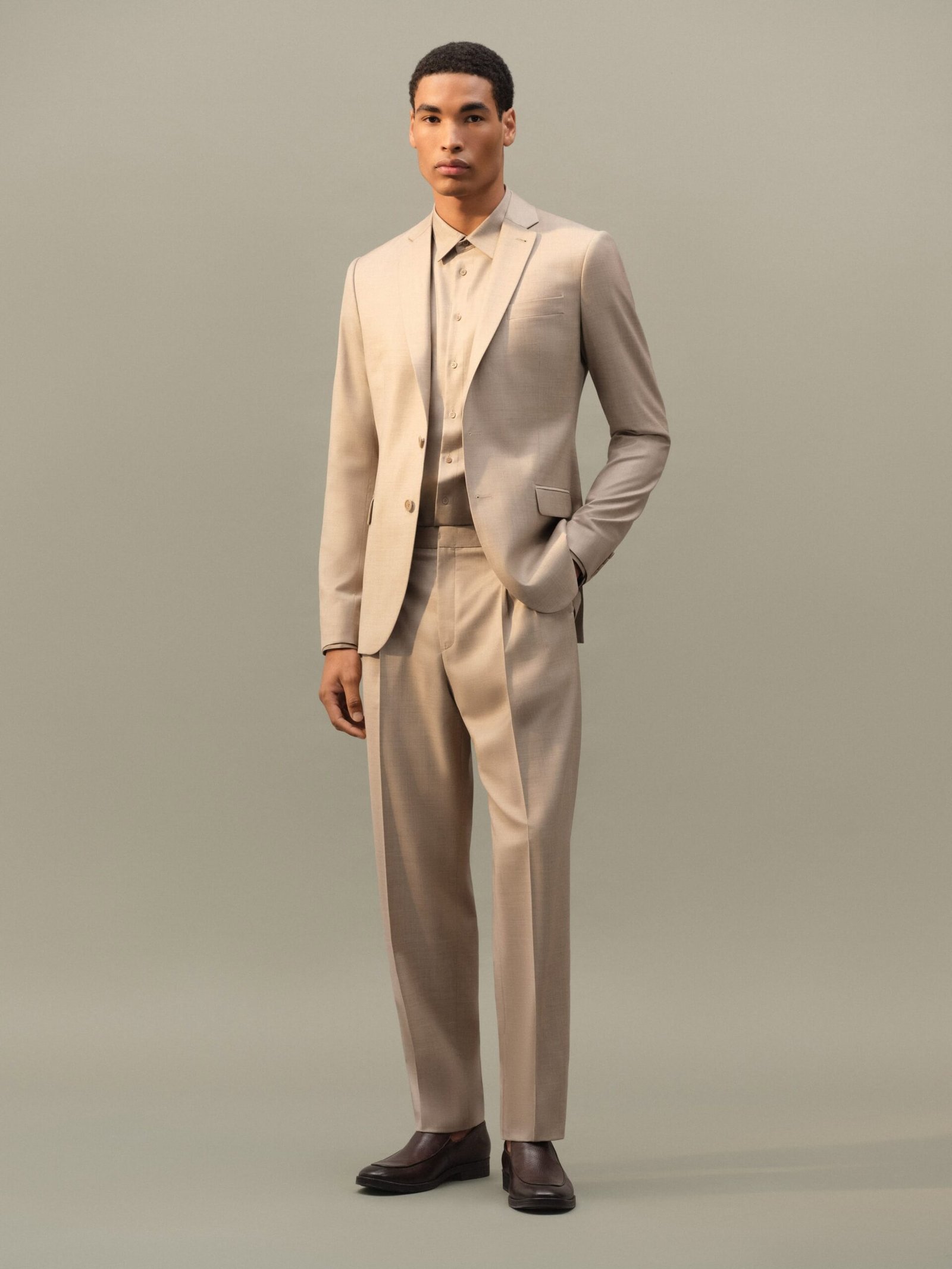
What happens to tailoring when the way men live begins to change?
For Ricardo Almeida, the answer is not to abandon the suit. It is to make it behave differently.
Founded in São Paulo in 1983, the Brazilian label built its reputation on precision, fabric and made-to-measure menswear. More than four decades later, those foundations remain. What has shifted is the context around them.
Work has become less formal. Travel has changed what people expect from their clothes. And the line between a business wardrobe and a casual one is no longer as clear as it once was.
Ricardo Almeida’s Summer 26/27 collection arrives in the middle of that conversation.
A lighter interpretation of tailoring
The collection brings together cold wools, silk, linen, leather and Pima cotton, using material and construction to soften some of the rigidity traditionally associated with tailored clothing.
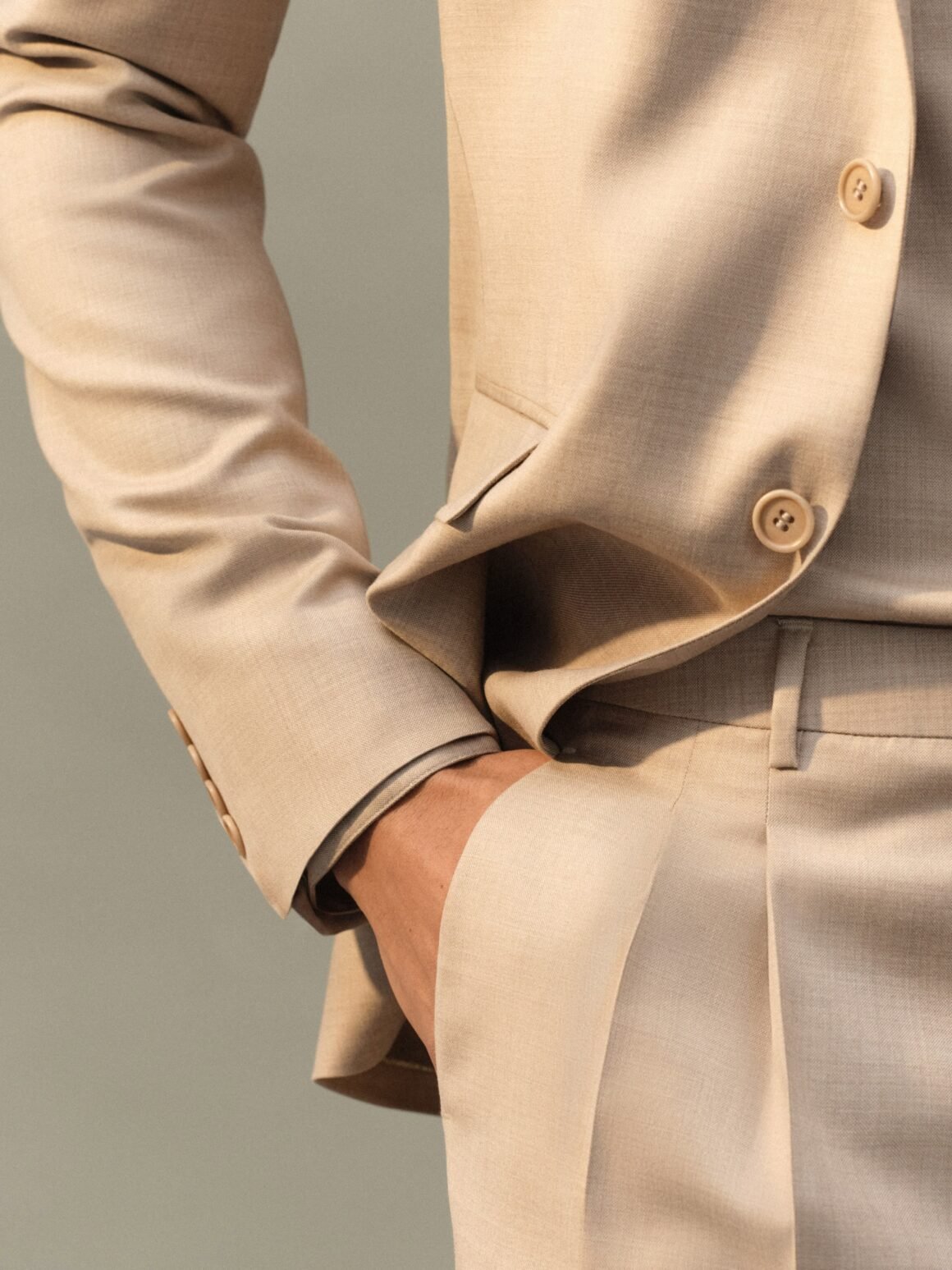
Cold wools ranging from Super 110s to Super 170s give structure to jackets and trousers, while linen, silk and cotton bring lightness and texture across the wardrobe. The house’s Paisley jacquard remains inside the jackets as a discreet signature.
One of the clearest expressions of change, however, is Tailor Air, a line developed around a lighter, more functional approach to tailoring.
The idea is not to make the suit casual. It is to give traditional construction more mobility.
That difference matters. As menswear becomes more fluid, tailoring is being asked to perform in settings it was not originally designed for: long days, travel, informal meetings and wardrobes in which the same pieces move through several contexts.
Ricardo Almeida is responding from inside the tradition rather than outside it.
Built on the made-to-measure tradition
This evolution makes more sense when set against the company’s history.
Ricardo Almeida started the business in 1983 with a small operation and four employees. Made-to-measure gradually became one of the brand’s central pillars, alongside careful fabric selection, technical construction and personal service.
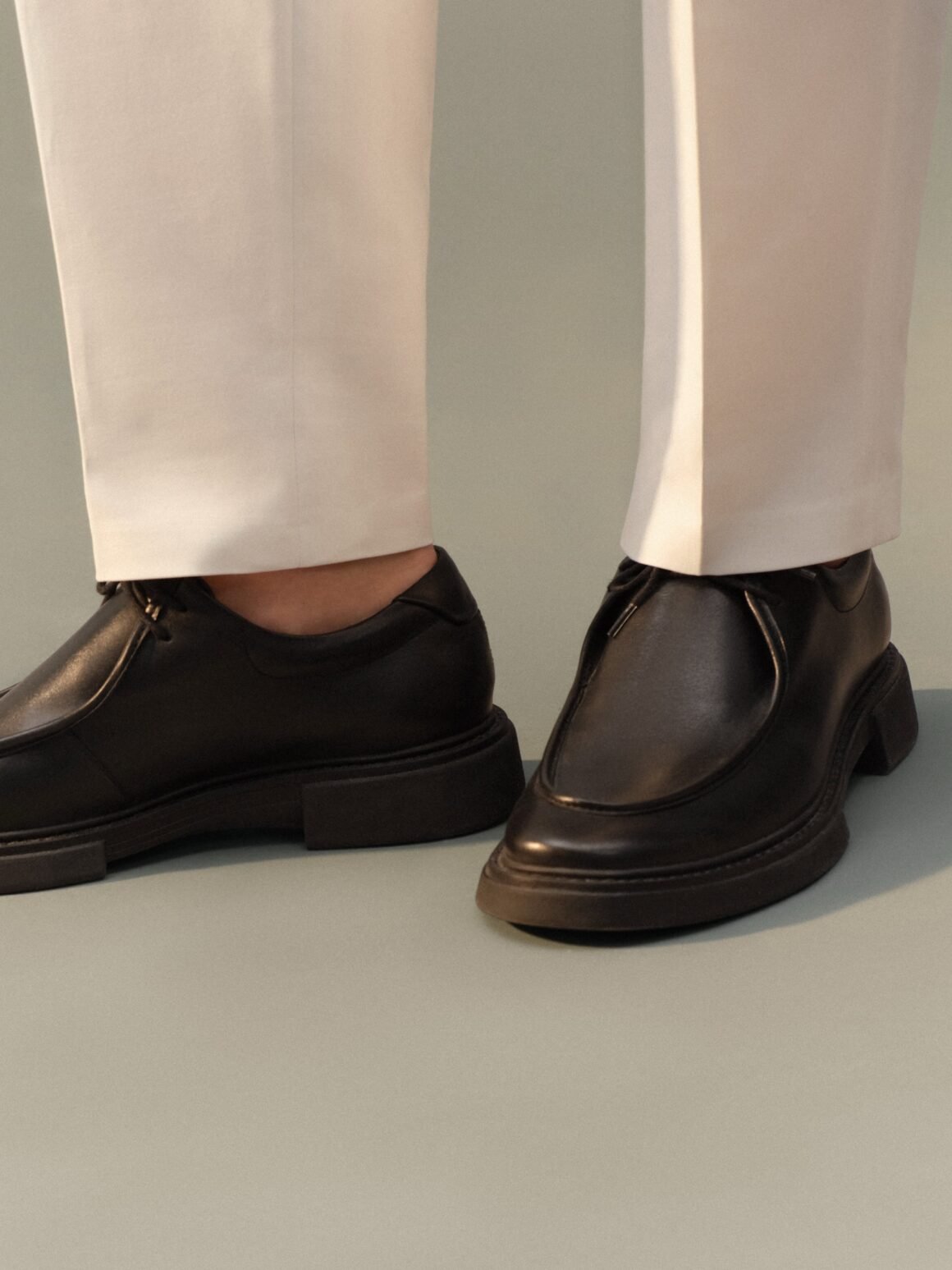
Today, the company combines made-to-measure with ready-to-wear, casualwear, footwear, accessories and womenswear.
Technology has also become part of the process. According to the company, its factory uses modern cutting equipment and can deliver made-to-measure pieces within seven to ten days.
The detail reveals a tension that runs through contemporary luxury: craftsmanship and efficiency no longer necessarily belong to opposite worlds.
When tradition becomes useful again
Fashion often treats tradition as something to be disrupted. The more interesting question may be what happens when traditional expertise becomes relevant to a new problem.
The suit still carries decades of cultural meaning. It communicates ceremony, authority, professionalism and occasion. What is changing is how strictly those meanings are attached to the garment.
A jacket can now be worn without a tie. Tailored trousers share a wardrobe with knitwear and sneakers. Softer construction carries tailoring into situations that once belonged entirely to casual clothing.
For established tailoring houses, that transition creates both an opportunity and a risk. Move too little, and the product feels disconnected from contemporary life. Move too far, and the codes that built the brand begin to disappear.
Ricardo Almeida’s recent work sits precisely in that space.
A Brazilian language without obvious symbols
For an international reader, there is another reason the brand is worth watching.
Ricardo Almeida does not rely on an instantly recognizable visual vocabulary of Brasil. It needs no tropical imagery or overt national references to establish where it comes from.
Its Brazilian identity has been built over decades of making clothes for Brazilian bodies, climates, occasions and clients, developing a local culture of tailoring rather than reproducing an imported one unchanged.
That makes the brand an interesting counterpoint in the international conversation around Brazilian fashion. Brasil can be expressed through color, craft, landscape and exuberance. It can also appear through technical knowledge developed locally over time.
The next chapter of the suit
Summer 26/27 does not propose the end of formal dressing. It suggests something subtler.
The codes remain: construction, fabric, proportion and precision. What changes is the relationship between those codes and the body wearing them. More movement. Less stiffness. More room between formal and casual.
After more than four decades, Ricardo Almeida is not trying to escape the category that made it recognizable. It is testing how far that category can move.
And that may be the most relevant question for tailoring today.
The Brazilian Brand to Know: Ricardo Almeida
BLACKCARD INTERNATIONAL | Brasil, curated for the world.