Seven Movements Redesigning Brazilian Jewelry
From Tiffany & Co.'s tribute to Brasil to new names in Milan, the country's jewelry story now goes far beyond its gemstones.
Brasil has long held an important place in world jewelry because of its gemstones. Emeralds, tourmalines and other stones crossed borders and found their way into the creations of the great maisons. The story of Brazilian jewelry, however, goes well beyond raw material.
Today it is also being written by designers who turn architecture, nature, craftsmanship and cultural references into a language of their own. Between recent launches, international recognition and new readings of classic symbols, we selected seven movements that help explain this moment.
1. Tiffany & Co. | A Tribute to Brasil
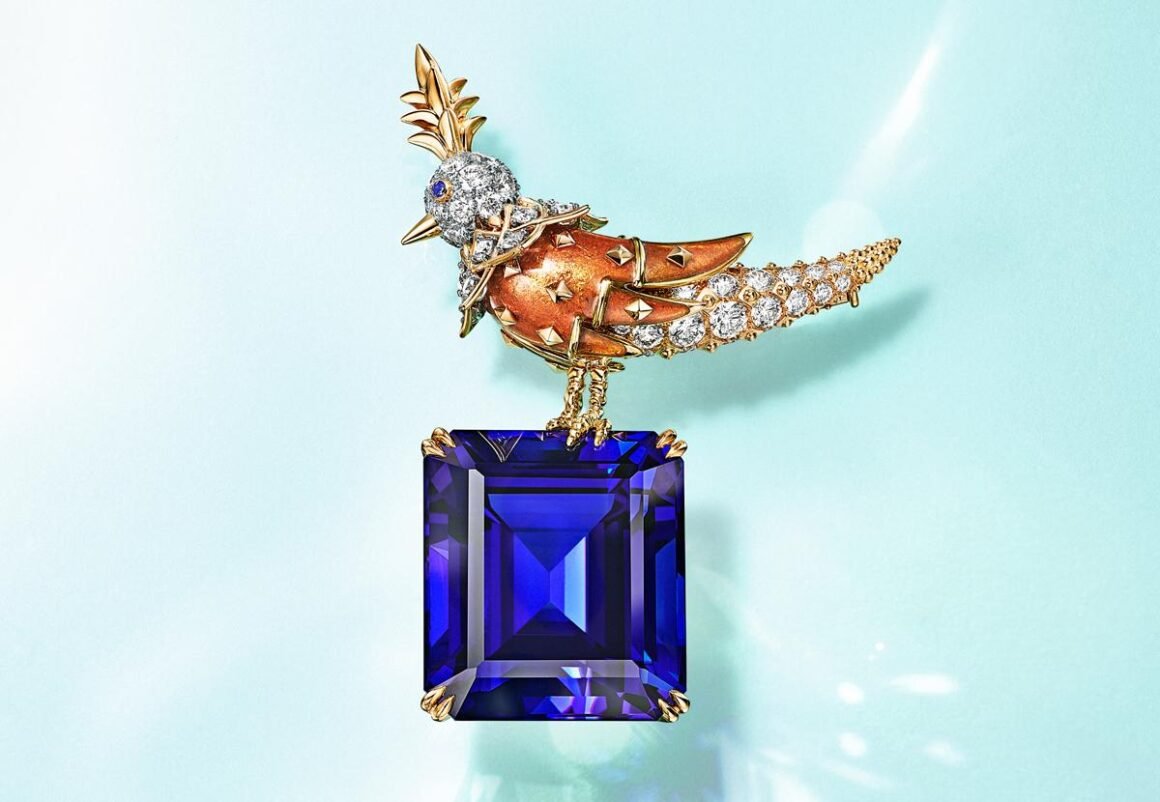
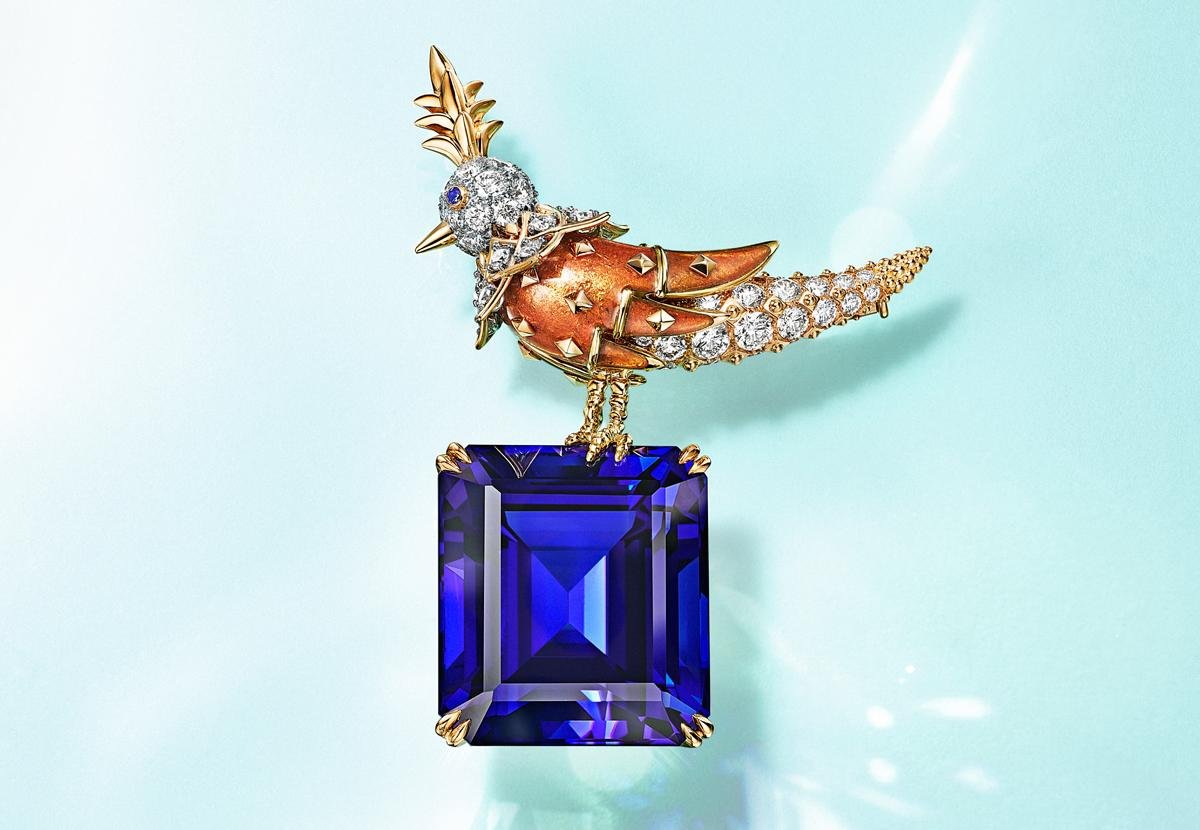
Tiffany & Co. presented three exclusive versions of its iconic Bird on a Rock brooch, inspired by Brazilian colors.
Developed by Nathalie Verdeille and the Tiffany Design Studio, the pieces reinterpret Jean Schlumberger‘s creation, first introduced in 1965. The new versions highlight exceptional gems, among them a star sapphire, a yellow diamond and a black opal.
The tribute shows how the great international maisons look at Brasil both as a consumer market and as a territory of inspiration.
2. Art’G | A Story That Begins Where the Gems Come From
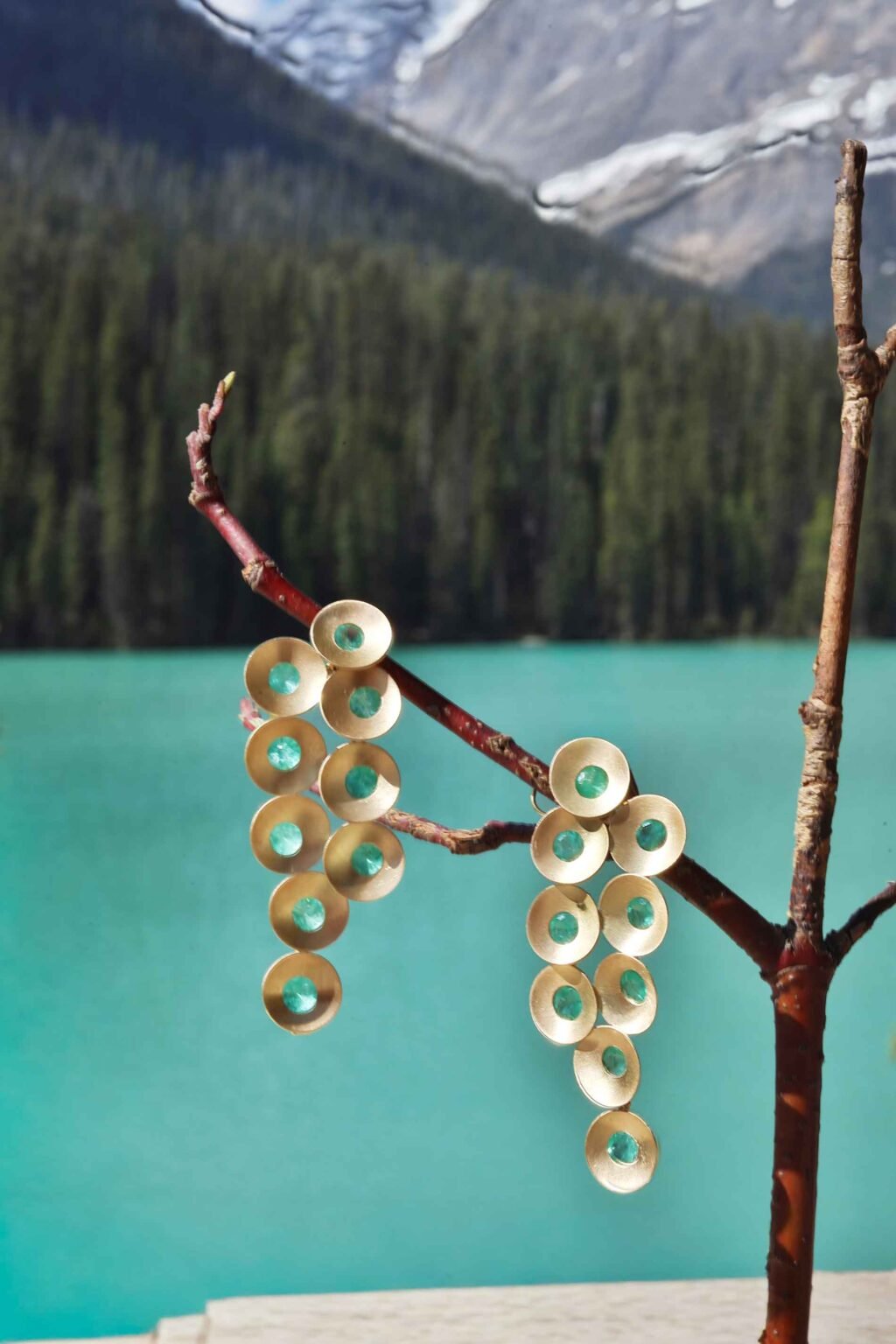
The visit of Bebe Bakhshi, founder of Champagne Gem, to Brasil brought attention to a stage rarely seen by those who only look at the finished jewel: the origin of the stones.
In October, she visited the Belmont Mine in Minas Gerais before heading to Rio de Janeiro, where she met the work of Art’G.
Founded in 1984, the Brazilian jeweler presented its creations in a photo shoot set across Rio’s landscapes. The encounter brought mining, technical knowledge and signature design closer together.
3. Ana Khouri | When Jewelry Meets Sculpture

Brazilian designer Ana Khouri won Accessory Designer of the Year at the CFDA Fashion Awards 2026, one of the most important honors in American fashion.
Her work sits between jewelry and sculpture. Gold and diamonds take on forms that follow the anatomy and explore the space between the piece and the body.
The award confirms the presence of a Brazilian creator on the international circuit, with a language that expresses identity without relying on literal Brazilian references.
4. Fernando Jorge | Brazilian Nature in London
With the Armour collection, presented at PAD London 2026, Fernando Jorge explores the idea of jewelry as protection.
The Brazilian designer combines gold and diamonds with smoky quartz, wood and taguá seeds, widening the possibilities of high jewelry by bringing natural elements and contemporary construction together.
The choice of materials reveals a central trait of his work: turning organic references into pieces of precise design.
5. Carla Amorim | Brasília Turned Into Jewelry

The architecture of Oscar Niemeyer returns to Carla Amorim‘s repertoire in the REVER Series 2 collection.
The designer revisits forms associated with modernism and brings back the Brasília Ring, one of her creations inspired by the country’s capital.
Curves, volumes and architectural geometry gain a new scale in gold and precious stones, as Brazilian design moves between disciplines without losing its identity.
6. GUERREIRO | A New Reading of the Serpent
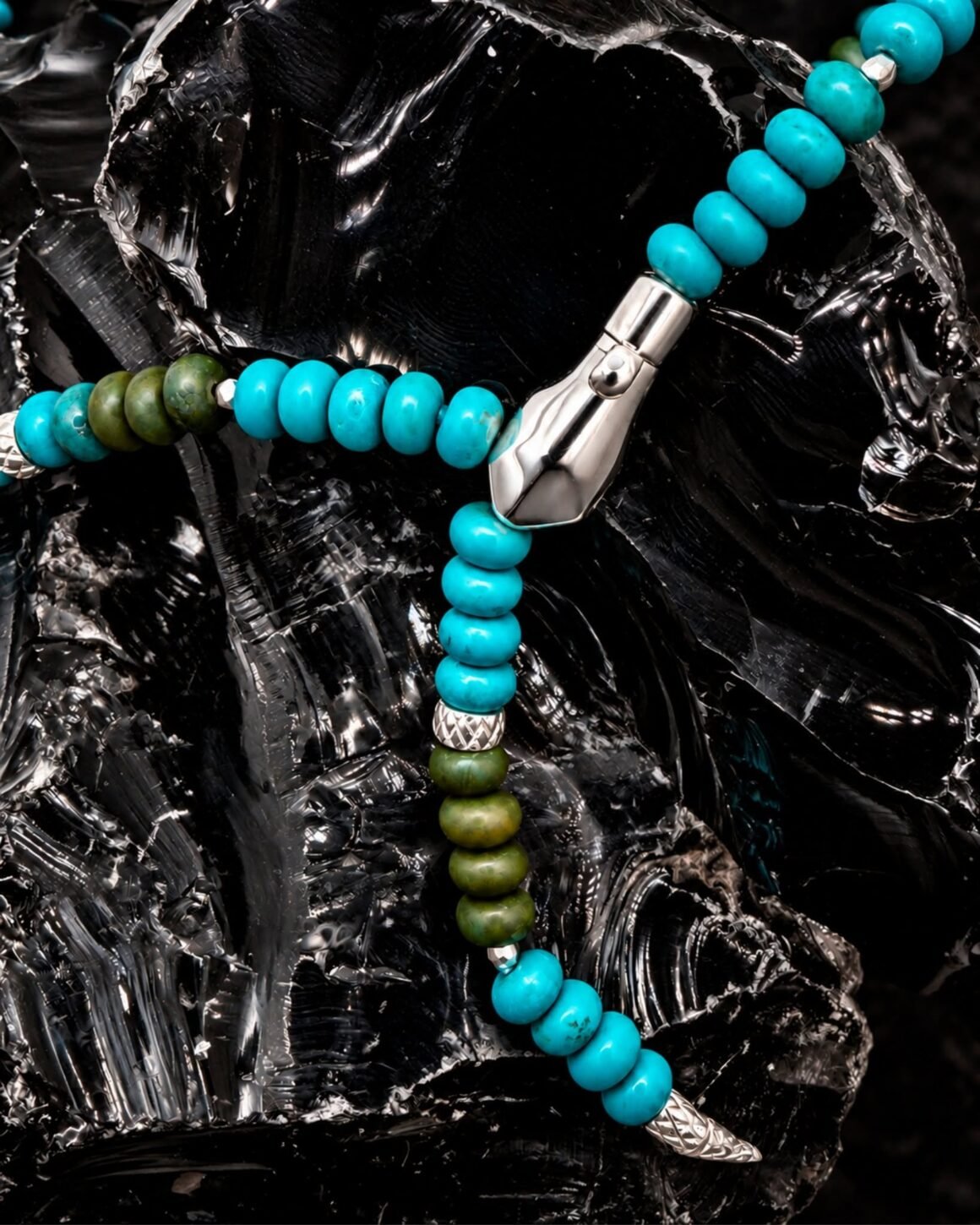
Juliana Guerreiro signs Serpens, a collection of necklaces that revisits one of the most recurring symbols in the history of jewelry.
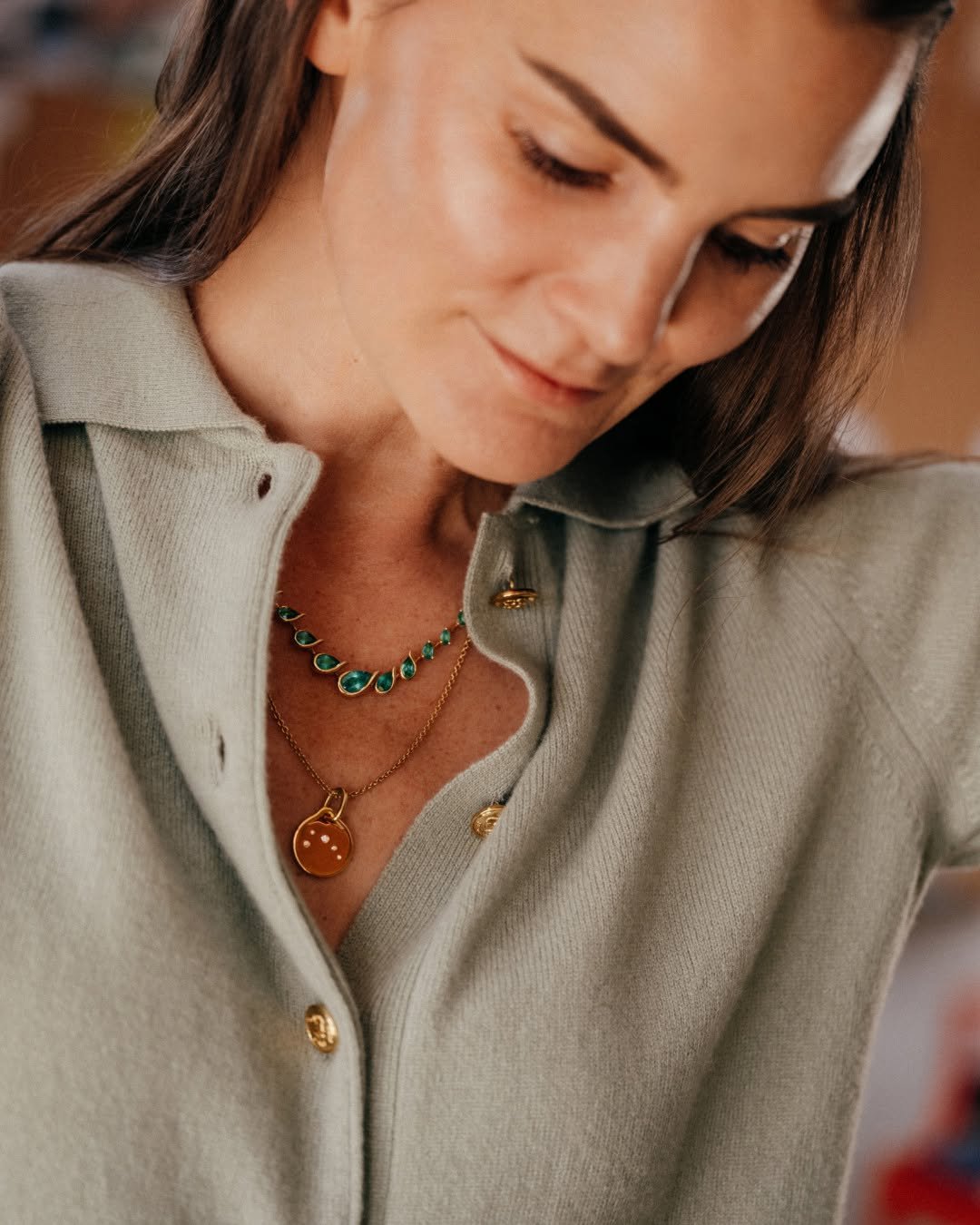
The pieces combine 925 silver and natural stones. The highlight is the serpent-head clasp with emerald eyes, which takes center stage in the design beyond its practical function.
The collection shows how a traditional motif stays relevant when reinterpreted through materials, proportions and artisanal techniques.
7. Canari | A New Brazilian Generation in Milan
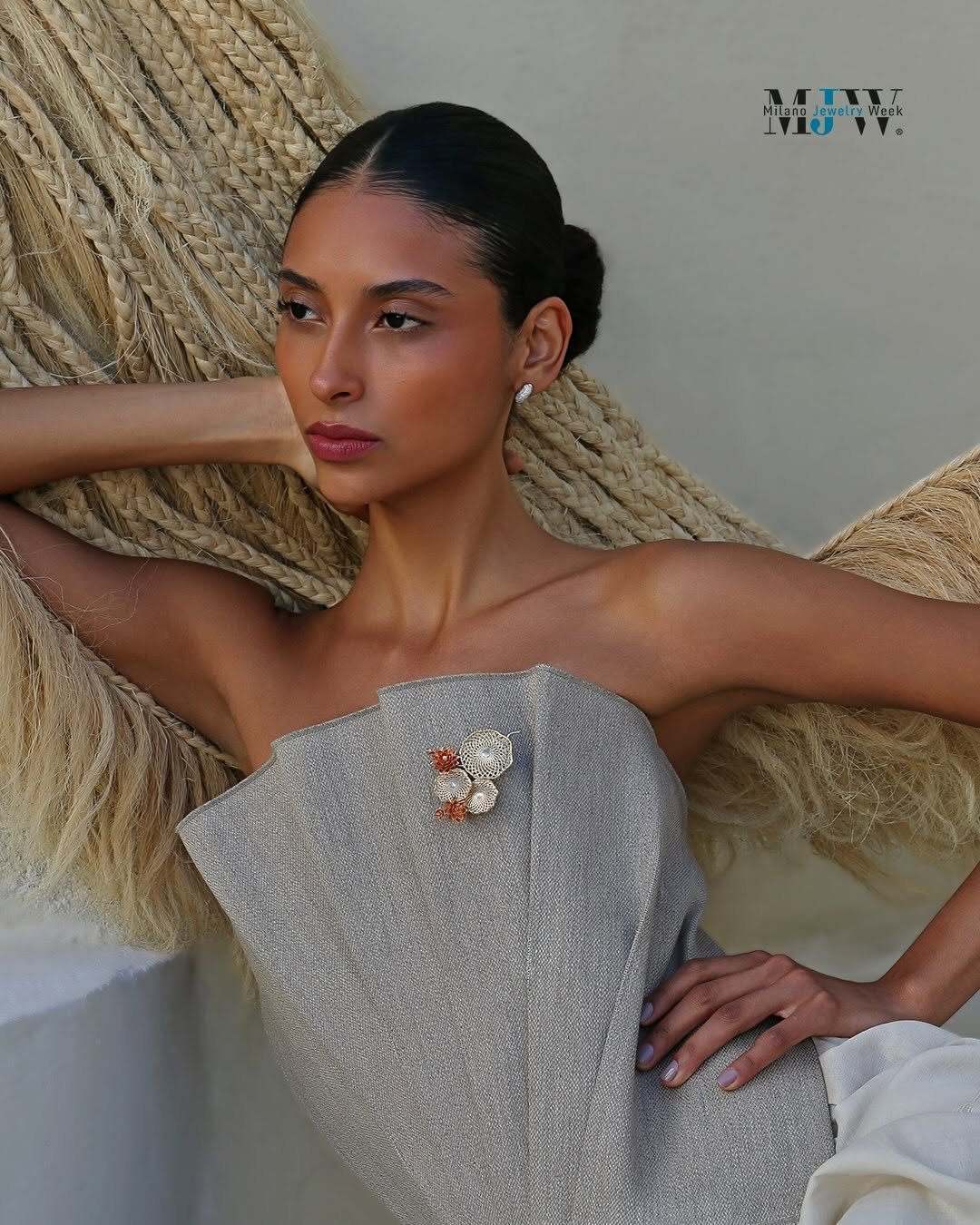
Canari, the brand created by Ana Carolina Reut, took its design research to Milano Jewelry Week 2026.
In the Airiness collection, structures found in nature, especially the lightness of bird bones, guide the design of 18-karat gold jewelry.
The work investigates the relationship between strength, delicacy and construction. Its presence in Milan points to a new generation of Brazilian creators finding room at international events dedicated to independent jewelry.
Brasil Beyond Its Precious Stones
The seven stories show different paths for contemporary creation. Tiffany & Co. finds inspiration in the country. Art’G brings jewelry closer to the origin of its gems. Ana Khouri and Fernando Jorge expand the Brazilian presence abroad. Carla Amorim turns architecture into design, while GUERREIRO and Canari explore symbols and natural structures.
Each path has its own aesthetic, and all of them turn repertoire into creation.
Brasil remains a reference for the richness of its stones. More and more, it also deserves attention for the ideas of those who design the jewels.